
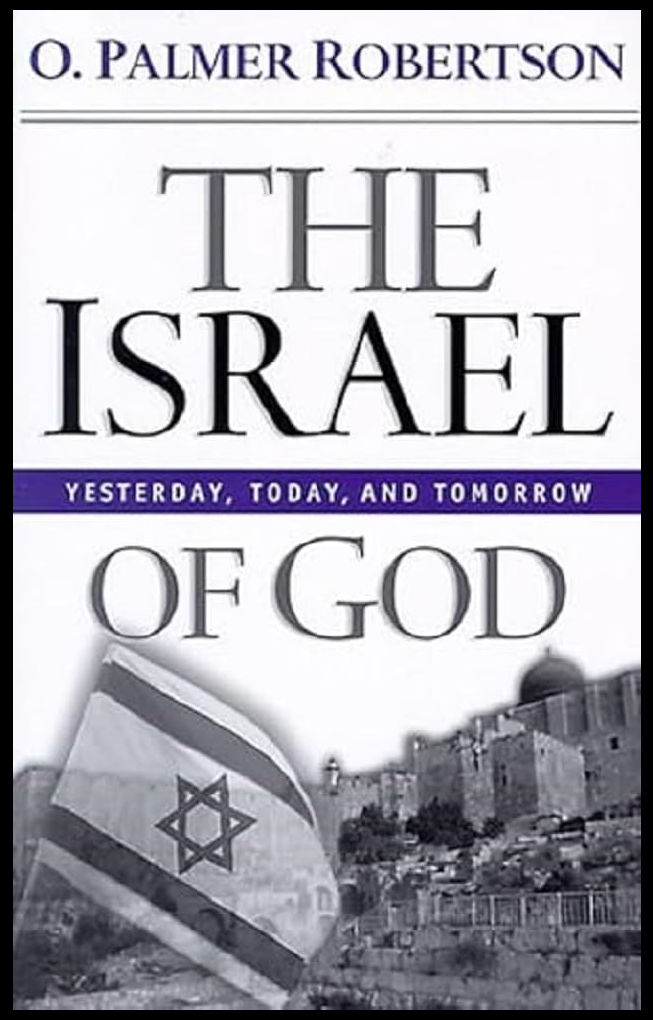
 PMW 2025-011 by O. Palmer Robertson
It has been rightly observed that the idea of the “land” as a theological concept has been largely overlooked by both Judaism and Christianity. Except for eschatological speculations concerning the return of Israel to the land, the whole concept of the land as presented in Scripture has been generally neglected. The reasons for this neglect might be variously evaluated.¹ But unquestionably the significance of the land as a theological idea needs fuller exploration.²
The concept of a land that belongs to God’s people originated in Paradise. This simple fact, so often overlooked, plays a critical role in evaluating the significance of the land throughout redemptive history and in its consummate fulfillment.³ Land did not begin to be theologically significant with the promise given to Abraham. Instead, the patriarch’s hope of possessing a land arose out of the concept of restoration to the original state from which man had fallen. The original idea of land as paradise significantly shaped the expectations associated with redemption. As the place of blessedness arising from unbroken fellowship and communion with God, the land of paradise became the goal toward which redeemed humanity was returning. Continue reading
 PMT 2015-052 by Kenneth L. Gentry, Jr.
 Postmillennial Worldview
Recent comments