
PMW 2026-055 by Thomas R. Schreiner

Gentry note:
The following few paragraphs are cited from: Thomas R. Schreiner, Magnifying God in Christ: A Summary of New Testament Theology (Grand Rapids: BakerAcademic, 2010), 28–30. This is a helpful work for students of the New Testament and eschatology.
Inaugurated Eschatology in Paul
The tension between inaugurated and consummated eschatology identified in the Synoptic Gospels, and in the Johannine literature also informs the remainder of the NT. Indeed, the prominence of the already – not yet in Paul confirms that eschatological tension was a characteristic feature of NT theology.
Jewish thought, distinguished between this age and the age to come. This age is marred by sin, disease, and death, whereas the age to come, brings life, abundance, enjoy (2 Esd. 2:36, 39; 4:27; 7:113; 9:18-19). The distinction between the two ages, as we have already observed, is found in the Gospels. Matthew contrasts “this age “ with “the age to come “ (12:32). Mark and Luke place eternal life in the age to come (Mark 10:30; Luke 18:30). Jesus contrasts the “sons of this age” who marry with those who “attain” the coming age, where marriage is no longer practiced (Luke 20:34–35). Those who belong to “this age” are consumed with wealth (Luke 16:8 NRSV), and hence Jesus speaks of the worries and concerns that animate people during this age (Matt. 11:22; Mark 4:19). Since there is an age to come, the present age is temporary and will come to an end (Matt. 13:39–40, 49; 24:3; 28:20).

Thine Is the Kingdom (ed. by Ken Gentry)
Contributors lay the scriptural foundation for a biblically-based, hope-filled postmillennial eschatology, while showing what it means to be postmillennial in the real world.
See more study materials at: www.KennethGentry.com
The term “kingdom “and the phrase “kingdom of God “ are not common in Paul, and yet the instances where they do occur, indicate that he already – not yet theme, so characteristic of the teaching of Jesus, is present in these Pauline texts as well (Rom. 14:17; 1 Cor. 4:20; 6:9–10; 15:24, 50; Gal. 5:21; Eph. 5:5; Col. 1:13; 4:11; 1 Thess. 2:12; 2 Thess. 1:5; 2 Tim. 4:1, 18). In most instances the “kingdom of God” refers to the future kingdom that awaits believer (see esp. 1 Cor. 6:9–10; 15:24; Eph. 5:5), but in Col. 1:13 believers are now transferred to God’s kingdom, and Rom. 14:17 suggests that the power of the kingdom is now at work because believers enjoy the gift of the Spirit, and hence righteousness, joy, and peace are theirs.
Paul also believed in two ages: this present evil age and the coming age of righteousness. The clearest example is found in Eph. 1:21, where he specifically differentiates between “this age” and “the one to come,” claiming that Jesus rules over all during the present age and will continue his reign in the coming era.
Paul often contrasts the values and behavior of those living in this age with those of coming one. Satan is described as the god of this age (2 Cor. 4:4), indicating that those under dominion of the devil engage in false worship. Since Satan rules as the god of this age, it follows that unbelievers live in accord with the standards of this world (Eph. 2:2). The impact of the old world order displays itself in the domain of scholarship and the intellect. The rhetoricians and debaters of this age are celebrated (1 Cor. 1:20). Those endowed with rhetorical ability are deemed wise (1:20; 3:18–19). But Paul was unimpressed with the dazzling skills of orators because the rulers of this age, with all their so-called wisdom, crucified the glorious Lord (2:6, 8), demonstrating their failure to grasp true wisdom.

Three Views on the Millennium and Beyond (ed. by Darrell Bock)
Presents three views on the millennium: progressive dispensationalist, amillennialist, and reconstructionist postmillennialist viewpoints. Includes separate responses to each view. Ken Gentry provides the postmillennial contribution.
See more study materials at: www.KennethGentry.com
Paul taught that Christians live in between the times inasmuch as the present evil age lingers, even as the new age has invaded history. “The ends of the ages have come” (1 Cor. 10:11 NRSV), signifying the fulfillment, at least in part, of God’s saving promises. The cross and resurrection of Christ are the turning point in history. Believers have been set “free from the present evil age” by virtue of the death of Christ (Gal. 1:4 NRSV). The form of this present world is passing away (1 Cor. 7:29–31), so that the activities of everyday life are relativized in light of the coming eschaton. Joy and sorrow, buying and selling, marriage and education – all must be viewed in light of the shortness of the time, the temporary character of human history (see Schreiner 2008: 755–801). Therefore, Paul did not criticize riches per se, but he did warn the rich in the present here not to pin their hopes on that which is fleeting (1 Tim. 6:17).
Christians live in, so to speak the twilight zone, for they have experienced the saving power of the age to come, and yet they still reside in the present evil age. Even now Jesus reigns, but the consummation of his rule and the destruction of every enemy have not yet occurred (Eph. 1:21; 1 Cor. 15:26–28). Because of the cross of Christ, believers are in a new creation (Gal. 1:4; 6:14–14; 2 Cor 5:17), and yet the redemption that they enjoy (Rom. 3:24) is not yet completed, for they endure the anguish of death and await the redemption of the body (8:23; cf. Eph. 1:14). In the meantime, as believers inhabit the interval between inauguration and consummation, they must resist the blandishments of this world (Rom. 12:2). The world, allures, and captivates, even those who have the firstfruits of the Spirit, those in whom the Spirit dwells must surmount fleshly desires and live in the realm of the spirit (8:13).
The Spirit constitutes the “firstfruits” of God’s work (Rom. 8:23). Just as Christ is the firstfruits of the resurrection (1 Cor. 15:20), guaranteeing the physical resurrection of believers, so the gift of the Spirit ensures that God will fulfill the remainder of his saving promises. The Spirit constitutes a pledge (arrabon) that God will redeem the bodies of believers by raising them from the dead on the last day (Eph. 1:14; cf. Rom. 8:23; 2 Cor. 1:22). All of this fits with the main point being argued here: the presence of the Spirit indicates that the new age has dawned, but believers have not yet obtained all that God is promised.
Tongues-speaking: Meaning, Purpose, and Cessation

by Ken Gentry
The position presented within is that tongues-speaking allowed the gift person to speak in a known human language without previously knowing it; tongues brought inspired revelation from God; the gift was a sign confirming the apostolic witness and warning of the coming destruction of Jerusalem; and therefore the gift ceased in the first century.
See more study materials at: www.KennethGentry.com
The inauguration of the new creation in the present age (2 Cor. 5:17; Gal. 6:15) points forward to the future, for Christians, anticipate with confidence and joy, the life of the age to come, when they will enjoy eternal life (e.g., Rom. 2:7; 5:21; 6:23; Gal. 6:8; Titus 1:2). As the messianic and Davidic king (Psa. 110:1), Jesus now rules over every enemy (Eph. 1:19–23; 1 Cor. 15:26–28). But the fullness of this power will be evident on the final day of judgment and salvation. Then believers will celebrate and commemorate forever the grace bestowed on them in Christ Jesus (Eph. 2:7).
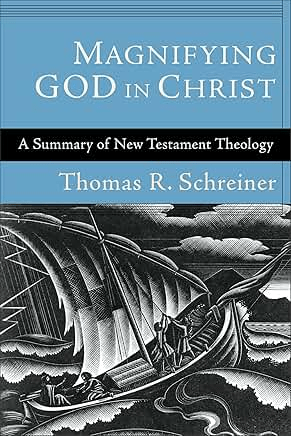
Order from Amazon: https://www.amazon.com/Magnifying-God-Christ-Testament-Theology/dp/080103826X


Leave a Reply