
PMT 2014-008 by Kenneth L. Gentry, Jr.
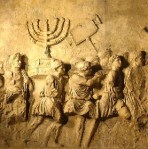 Rev. 11:1–2: “Then there was given me a measuring rod like a staff; and someone said, ‘Get up and measure the temple of God and the altar, and those who worship in it. Leave out the court which is outside the temple and do not measure it, for it has been given to the nations; and they will tread under foot the holy city for forty-two months.’”
Here in Rev 11 a voice commands John to measure the inner temple in the “holy city,” which must be Jerusalem (Isa 48:2; 52:1; Neh. 11:1–18; Mt 4:5; 27:53). This is the place where the Lord “was crucified” (Rev 11:8; cp. Lk 9:22; 13:32; 17:11; 19:28). In Rev 1:7 John states his theme (see earlier article) which is the judgment-coming of Christ against those who pierced him, i.e., the first-century Jews. Continue reading
 PMW 2019-038 by Kenneth L. Gentry, Jr.
 PMT 2014-137 by Kenneth L. Gentry, Jr.
 PMT 2014-136 by Kenneth L. Gentry, Jr.
 In my previous blog study I focused on the significance of the seven-sealed scroll as God’s divorce decree against his old covenant wife, Israel. Now the Lamb begins opening the seals so that God’s judgments against his adulterous wife may begin.
 This is my third and final article on the theme of Revelation, which is found in Rev 1:7. I have been presenting evidence that it prophesies the AD 70 judgment on Jerusalem and the temple, even though it seems like it is speaking of Christ’s second coming. Let us consider the remaining evidence.
  In my last article I opened a study of the question regarding the theme of Revelation. I began presenting evidence that John’s theme verse, Rev 1:7, speaks of the AD 70 destruction of Jerusalem and the temple, which concludes forever the old covenant. Though it sounds like he is speaking of the second advent, this is not the case. I will continue with my seriatim presentation of the evidence supporting the AD 70 interpretation.
 Postmillennial Worldview
Recent comments