
 PMW 2024-068 by Kenneth L. Gentry, Jr.
I am continuing a study begun two issues ago on the two witnesses of Revelation. I will not be dealing with every aspect of their sudden appearance Revelation, but will be defining who they are in the context of the flow of redemptive history.
Not only does Jesus teach that the temple is doomed to destruction but that he is replacing it and its ceremonies in himself. And the early church emphasizes this message by recording it in the Gospels, then publishing, circulating, reading, and preaching it before the destruction of the temple in AD 70, either by means of prominent logia or in one or more of the final Gospels themselves released before that date. Jesus strongly asserts his own authority over the temple (Jn 2:14–17; Mt 21:12–17//) and equates his body with it (Jn 2:19–21). He declares that God now dwells (“tabernacles,” eskēnōsen) in him (Jn 1:14) and that he is “greater than the temple” (Mt 12:6).
He also diminishes the temple’s role in declaring that loving God and neighbor “is much more than all burnt offerings and sacrifices” (Mk 12:22). He authoritatively declares the leper cleansed (Mk 1:40-45), instead of directing him to go to the priests to secure cleansing (Lev 14:2ff). He does not even pay the temple tax, except on the occasion when temple authorities confront him about the matter (Mt 17:24–26). And then he does so only to avoid offense (Mt 17:27). In that context Jesus’ declaration that ‘the sons are free’ thus appears to have provided an unmistakable declaration of independence from the Temple and the attendant political-economic-religious establishment. Against the ceremonial prohibitions he touches the unclean woman, but is not made unclean himself (Mk 5:25–34; cp. Lev 5:2–3) and declares that food does not make one unclean (Mk 7:15; cp. Lev 11:4ff). Continue reading
 PMW 2024-067 by Kenneth L. Gentry, Jr.
 PMW 2024-066 by Ken Gentry
 PMW 2024-065 by Kenneth L. Gentry, Jr.
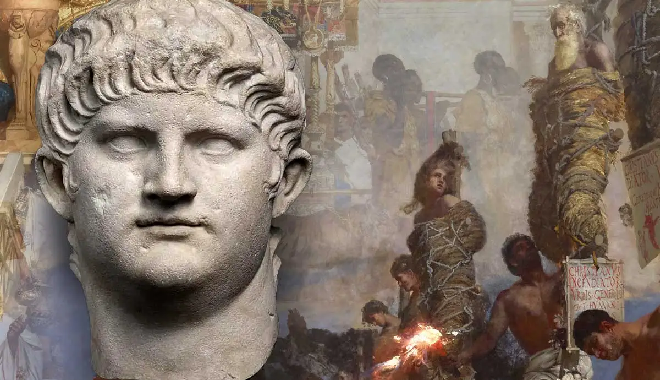 PMW 2024-064 by Kenneth L. Gentry, Jr.
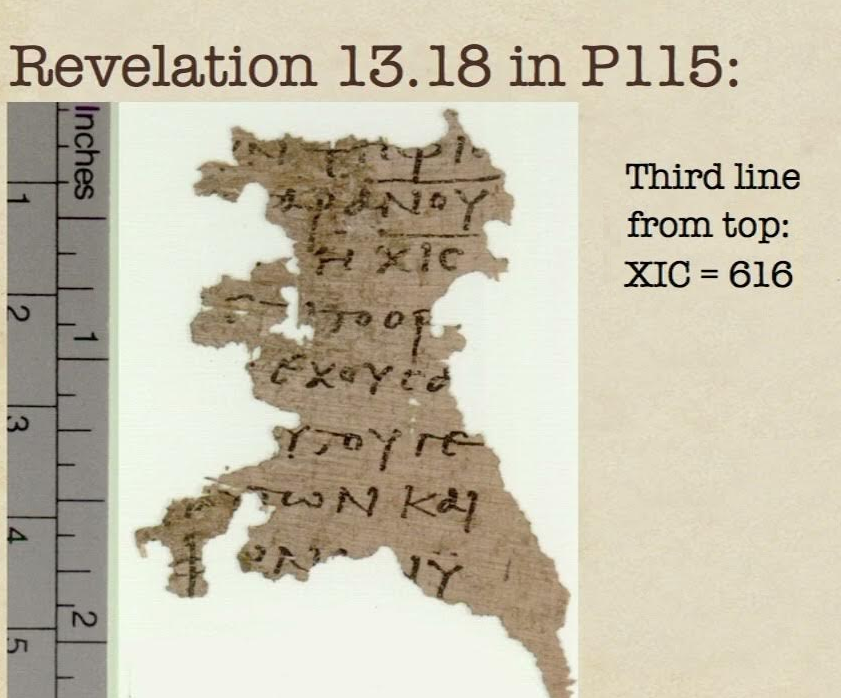 PMW 2024-063 by Kenneth L. Gentry, Jr.
 PMW 2024-062 by Kenneth L. Gentry, Jr.
 Postmillennial Worldview
Recent comments